


Address:
4051 Lone Tree Way, Suite E
Antioch, CA 94531


Protecting Your Vision: Why Diabetic Eye Exams Shouldn’t Be Skipped
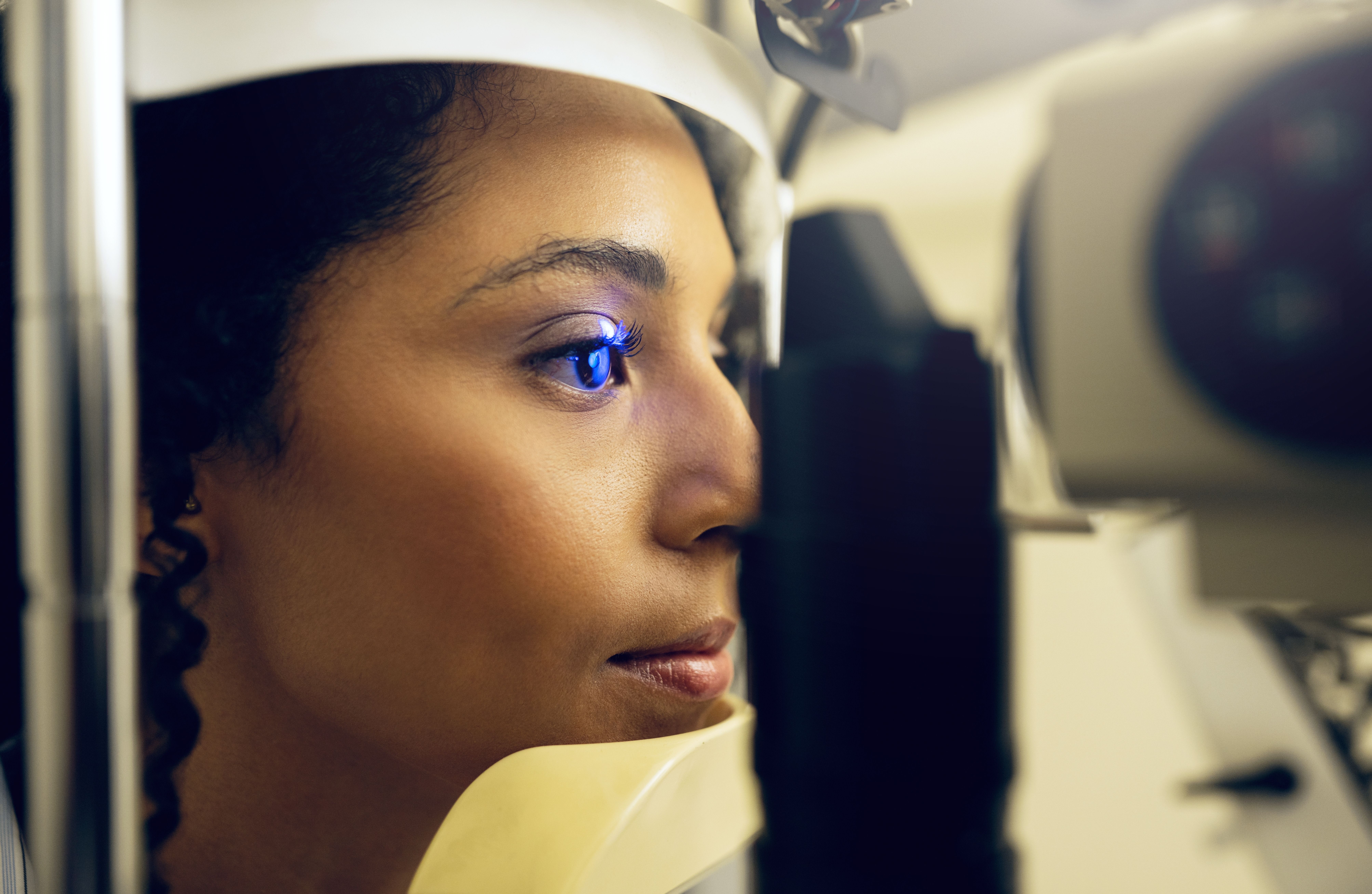
Diabetes affects millions of people and can impact many areas of the body - including your eyes. While managing blood sugar levels is often the main focus of diabetes care, eye health is just as critical. Many vision-threatening conditions related to diabetes develop slowly and without noticeable symptoms at first.
That’s why regular diabetic eye exams are essential. These exams allow eye care professionals to detect early signs of eye disease before significant vision loss occurs. At Eye To Eye Optometry, we emphasize the importance of routine diabetic eye exams to help protect your long-term vision and overall eye health.
How Diabetes Affects Your Eyes
High blood sugar levels can damage the delicate blood vessels in the eyes, particularly those in the retina. The retina is responsible for capturing light and sending visual signals to the brain. When blood vessels in the retina become damaged, they can leak, swell, or grow abnormally - leading to vision problems.
Over time, diabetes can increase the risk of several serious eye conditions, including:
- Diabetic Retinopathy: The most common diabetes-related eye disease, caused by damage to retinal blood vessels.
- Diabetic Macular Edema: Swelling in the macula (the part of the retina responsible for sharp central vision).
- Cataracts: People with diabetes often develop cataracts earlier than those without the condition.
- Glaucoma: Diabetes can increase the risk of elevated eye pressure and optic nerve damage.
Because these conditions can progress without noticeable symptoms, many patients don’t realize there is a problem until vision has already been affected.
The Silent Nature of Diabetic Eye Disease
One of the most dangerous aspects of diabetic eye disease is that it can develop quietly. In its early stages, diabetic retinopathy often causes no pain or changes in vision. Patients may feel that their eyes are healthy and skip routine exams.
Unfortunately, by the time symptoms such as blurred vision, floaters, dark spots, or difficulty seeing at night appear, the condition may already be advanced.
Regular diabetic eye exams allow your eye doctor to detect small changes in the retina long before symptoms occur. Early detection gives patients the best chance to preserve their vision.
What Happens During a Diabetic Eye Exam?
When you come to Eye To Eye Optometry for a diabetic eye exam, our team performs a detailed assessment to evaluate the health of your eyes and check for any signs of diabetes-related changes. These exams are designed to detect issues early - often before symptoms appear - so that appropriate care can begin as soon as possible.
Your visit may include several important tests and evaluations:
Dilated Eye Examination – Eye drops are used to gently enlarge the pupils, allowing your doctor to closely examine the retina and optic nerve. This helps identify early signs of damage caused by diabetes, such as leaking or swollen blood vessels.
Optical Coherence Tomography (OCT) – This advanced imaging technology creates highly detailed cross-sectional images of the retina. It helps your doctor detect subtle changes, including fluid buildup or retinal swelling that may indicate diabetic eye disease.
Retinal Imaging – Specialized photographs of the back of the eye are taken to document the condition of the retina. These images provide a valuable baseline and allow your eye doctor to monitor any changes over time.
Eye Pressure Testing – Measuring the pressure inside the eye helps screen for glaucoma, a condition that individuals with diabetes may have a higher risk of developing.
These tests work together to give your eye doctor a comprehensive view of your eye health. If any concerns are identified, our team will discuss the findings with you and recommend a personalized care plan to help manage and protect your vision moving forward.
How Often Should Diabetic Eye Exams Be Scheduled?
Most patients with diabetes should have a comprehensive dilated eye exam at least once a year. However, your eye doctor may recommend more frequent visits depending on:
- How long you’ve had diabetes
- Your blood sugar control
- Whether signs of eye disease are present
- Other health factors that may affect your eyes
Staying consistent with these exams is one of the most effective ways to protect your vision.
Keep Your Eyes Healthy with Regular Diabetic Exams
Diabetic eye disease is one of the leading causes of vision loss, but it is also one of the most preventable when detected early. Because symptoms may not appear until the disease has progressed, skipping routine diabetic eye exams can put your vision at serious risk.
If you have diabetes, protecting your vision starts with proactive care. Schedule a diabetic eye exam at Eye To Eye Optometry. Visit our office in Antioch, California, or call (925) 757-7676 to book an appointment today.

Office hours
- Monday 9:00am - 5:30pm Lunch 12:30-2:00pm
- Tuesday 9:00am - 5:30pm
Lunch 12:30-2:00pm - Wednesday 10:00am - 5:30pm
Lunch 12:30-2:00pm - Thursday 10:45am - 7:30pm
Lunch 2:00-3:00pm - Friday 9:00am - 5:30pm
Lunch 12:30-2:00pm - Saturday By Appointment Only
- Sunday Closed
Get in touch
© 2026 Eye To Eye Optometry. All rights Reserved - Accessibility Statement - Privacy Policy - Sitemap
Powered by

