


Address:
4051 Lone Tree Way, Suite E
Antioch, CA 94531


From Routine to Specialized: Navigating Eye Disease Prevention & Early Detection
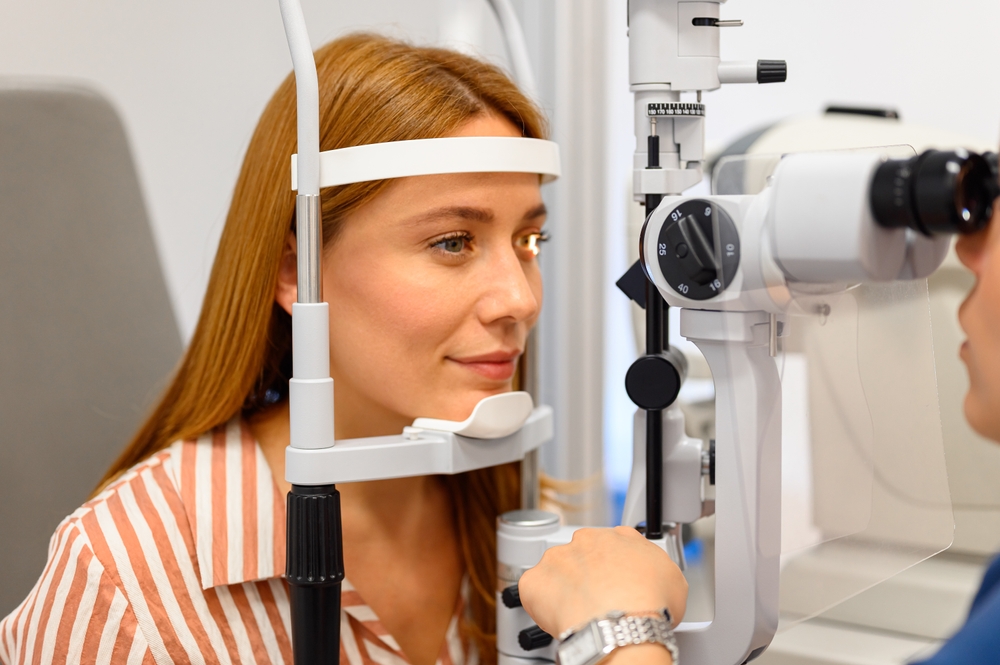
Many people think of eye exams as a way to update their glasses or contact lens prescription. While vision correction is important, comprehensive eye care goes far beyond seeing clearly. Routine eye exams play a critical role in preventing eye disease, detecting issues early, and protecting long-term vision. Understanding the difference between routine eye care and specialized eye disease management can help you take a more proactive approach to your eye health.
Why Routine Eye Exams Matter More Than You Think
Routine eye exams are one of the most powerful tools in preventive healthcare. During an exam, your optometrist evaluates not only how well you see, but also the overall health of your eyes.
These visits allow your doctor to:
• Assess the health of the retina, optic nerve, and blood vessels
• Check eye pressure to screen for glaucoma
• Identify early signs of systemic conditions like diabetes or high blood pressure
• Monitor changes that may indicate developing eye disease
Because many eye conditions develop gradually and without pain, routine exams are often the only way to detect problems early - when treatment is most effective.
Common Eye Diseases That Benefit from Early Detection
Early diagnosis can significantly slow or even prevent vision loss from many eye diseases. Some of the most common conditions identified during routine and specialized eye exams include:
• Glaucoma: Often called the “silent thief of sight,” glaucoma can cause irreversible vision loss without noticeable symptoms. Regular pressure checks and optic nerve evaluations are essential for early detection.
• Macular Degeneration: Age-related macular degeneration (AMD) affects central vision and can impact daily activities like reading and driving. Early detection allows for monitoring and intervention that may slow progression.
• Diabetic Eye Disease: Diabetic retinopathy can develop even when vision seems normal. Early detection through dilated eye exams helps prevent severe complications and permanent vision damage.
• Cataracts: While cataracts are common with aging, early monitoring helps determine the right time for treatment and ensures vision changes aren’t mistaken for other conditions.
When Eye Care Becomes Specialized
If signs of eye disease are detected, your care may shift from routine monitoring to specialized management. Specialized eye care focuses on targeted testing, close observation, and treatment strategies tailored to your specific condition.
This may include:
• Advanced imaging of the retina or optic nerve
• More frequent monitoring visits
• Personalized treatment plans to protect and preserve vision
The goal of specialized care is not just treatment - but prevention of further damage and maintenance of your quality of life.
Protecting Your Vision Starts with Prevention
Healthy vision is a lifelong commitment. Routine eye exams serve as the foundation, while specialized eye care ensures conditions are addressed with precision and expertise when needed. Together, they form a complete approach to protecting your eyesight at every stage of life.
If you have risk factors for eye disease, contact Eye To Eye Optometry to schedule a medical eye exam and take the next step in protecting your long-term vision. Visit our office in Antioch, California, or call (925) 757-7676 today.

Office hours
- Monday 9:00am - 5:30pm Lunch 12:30-2:00pm
- Tuesday 9:00am - 5:30pm
Lunch 12:30-2:00pm - Wednesday 10:00am - 5:30pm
Lunch 12:30-2:00pm - Thursday 10:45am - 7:30pm
Lunch 2:00-3:00pm - Friday 9:00am - 5:30pm
Lunch 12:30-2:00pm - Saturday By Appointment Only
- Sunday Closed
Get in touch
© 2026 Eye To Eye Optometry. All rights Reserved - Accessibility Statement - Privacy Policy - Sitemap
Powered by

